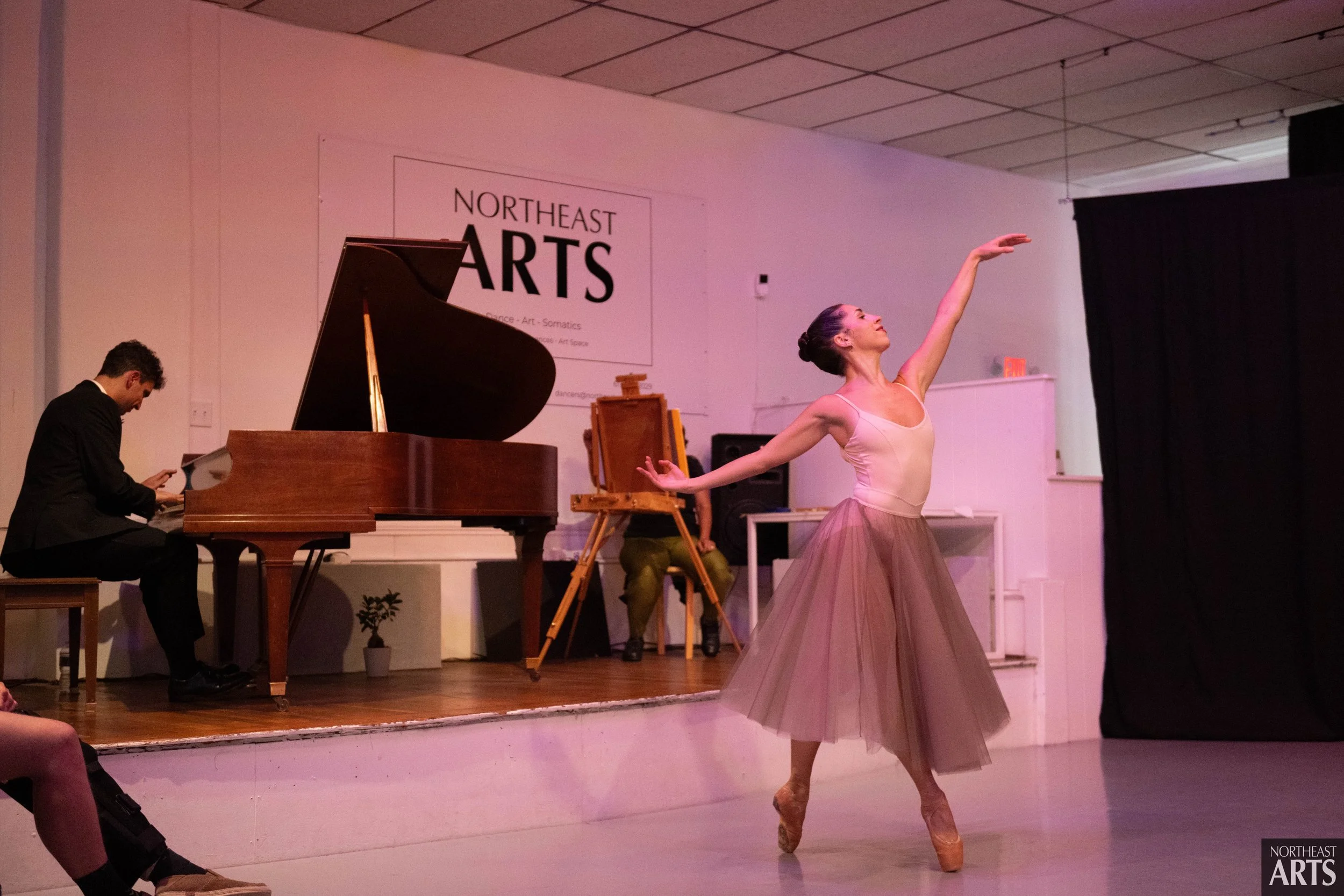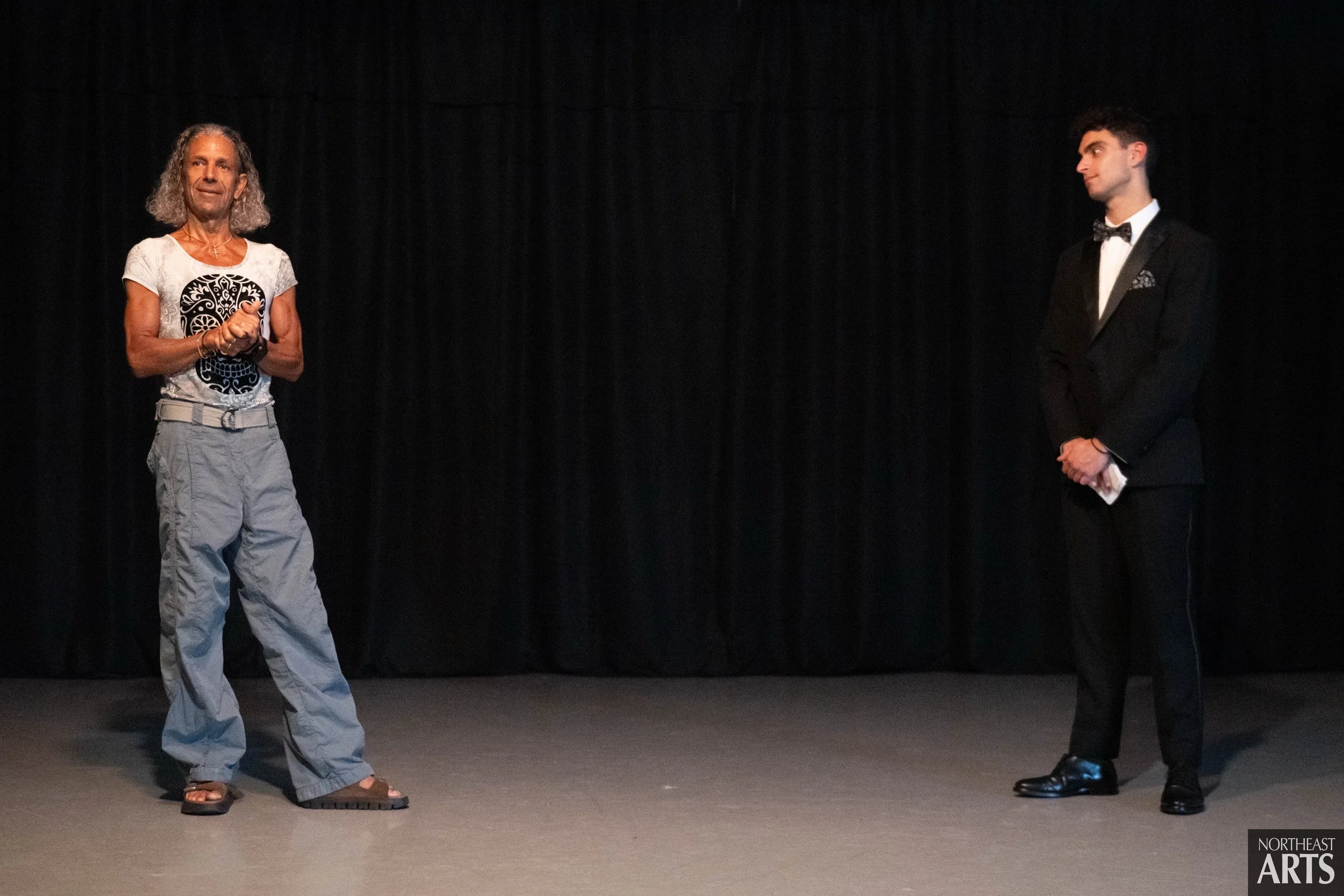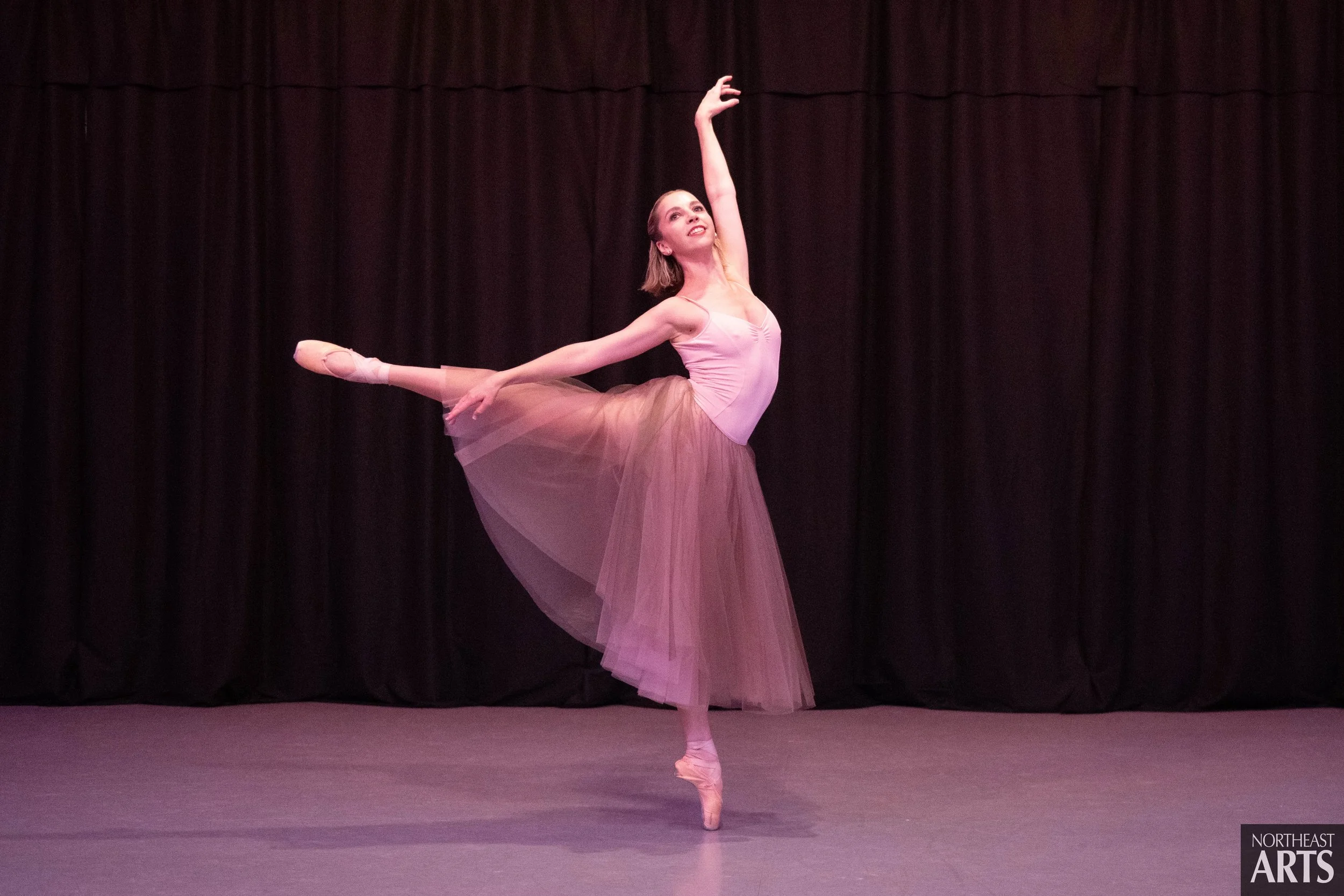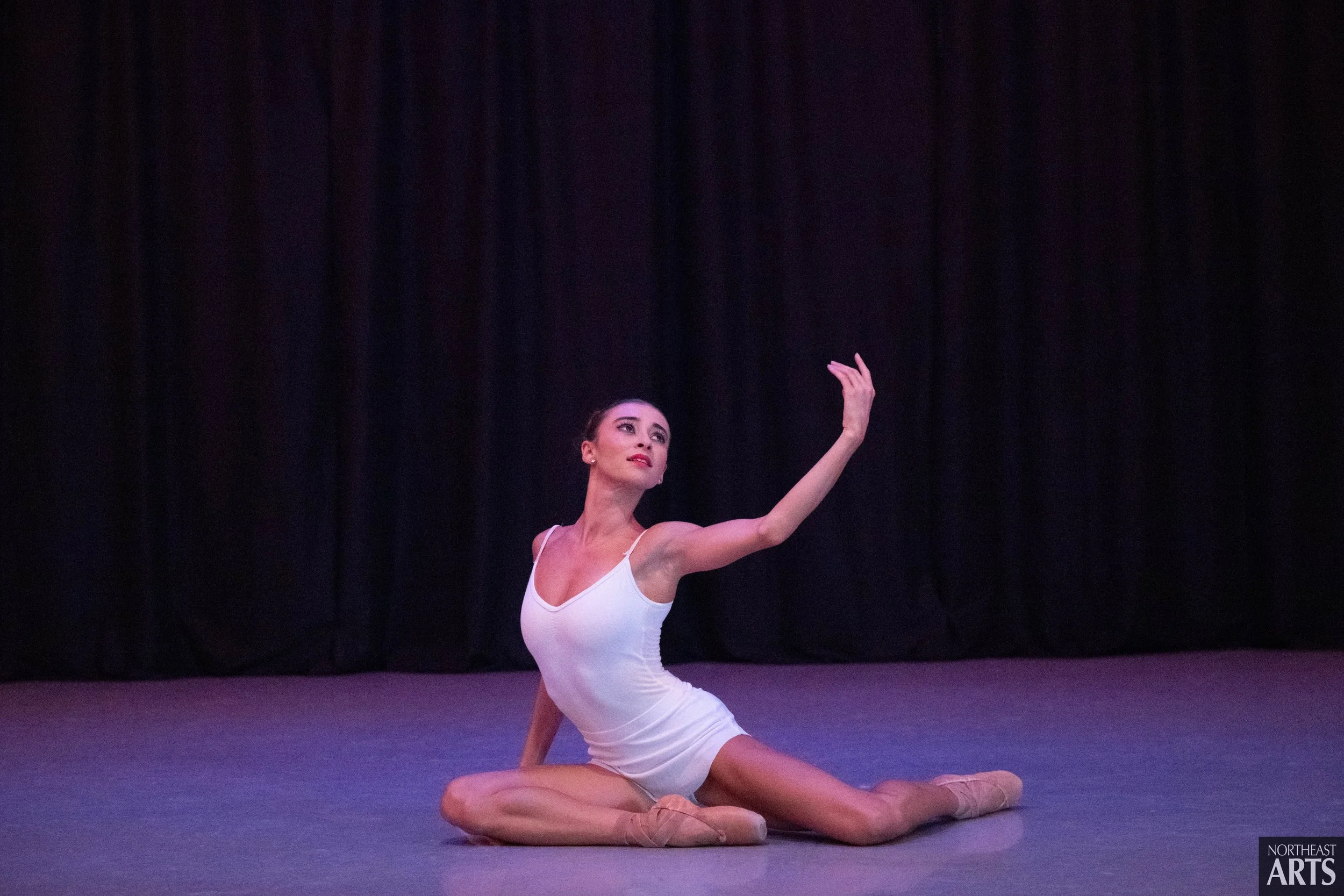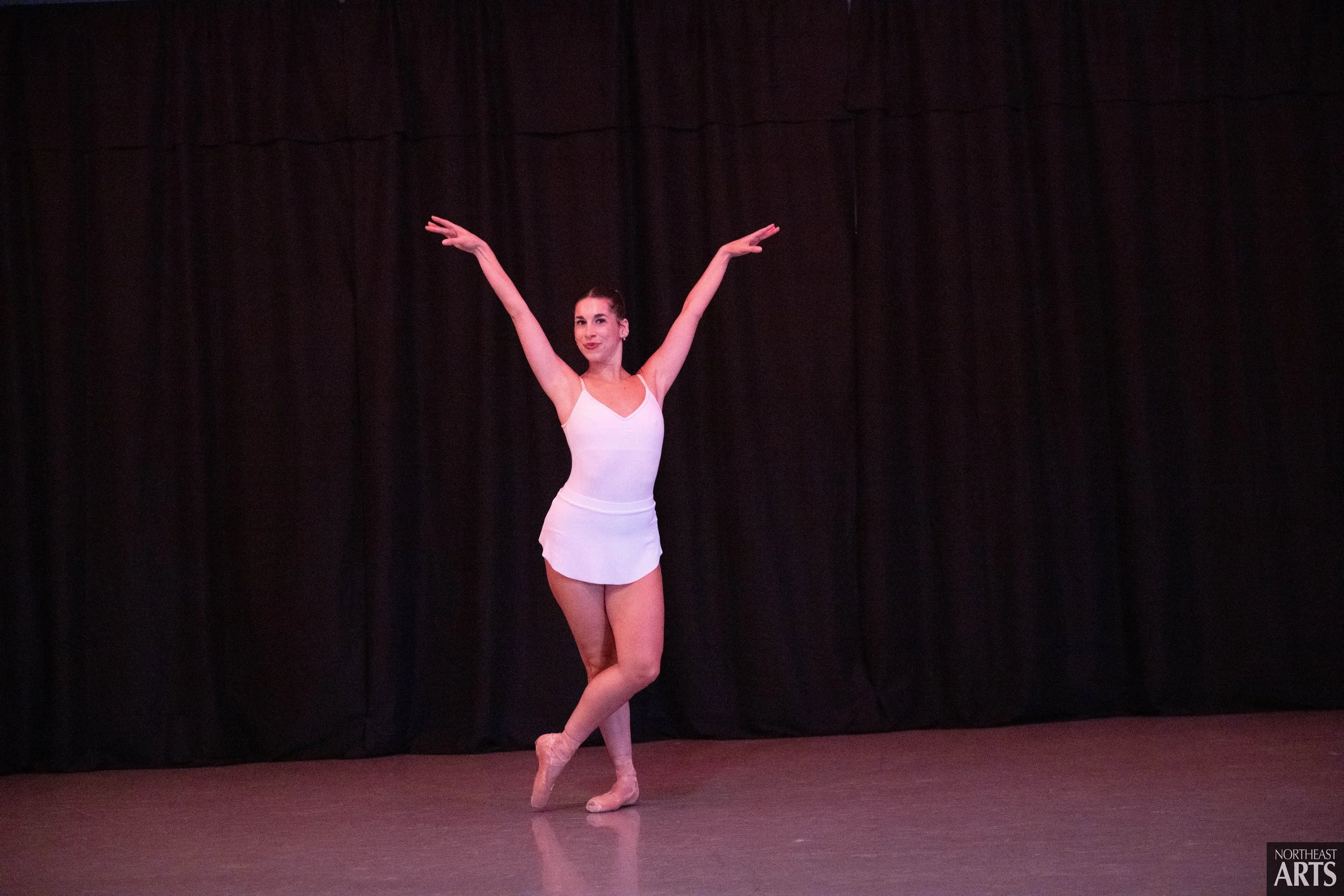
Northeast Arts Board of Directors presents
the breath of music
Northeast arts studio theater at forest hills
Part One
Franz Schubert (1797–1828)
Impromptu No. 3 in G-flat major, Op. 90, D. 899
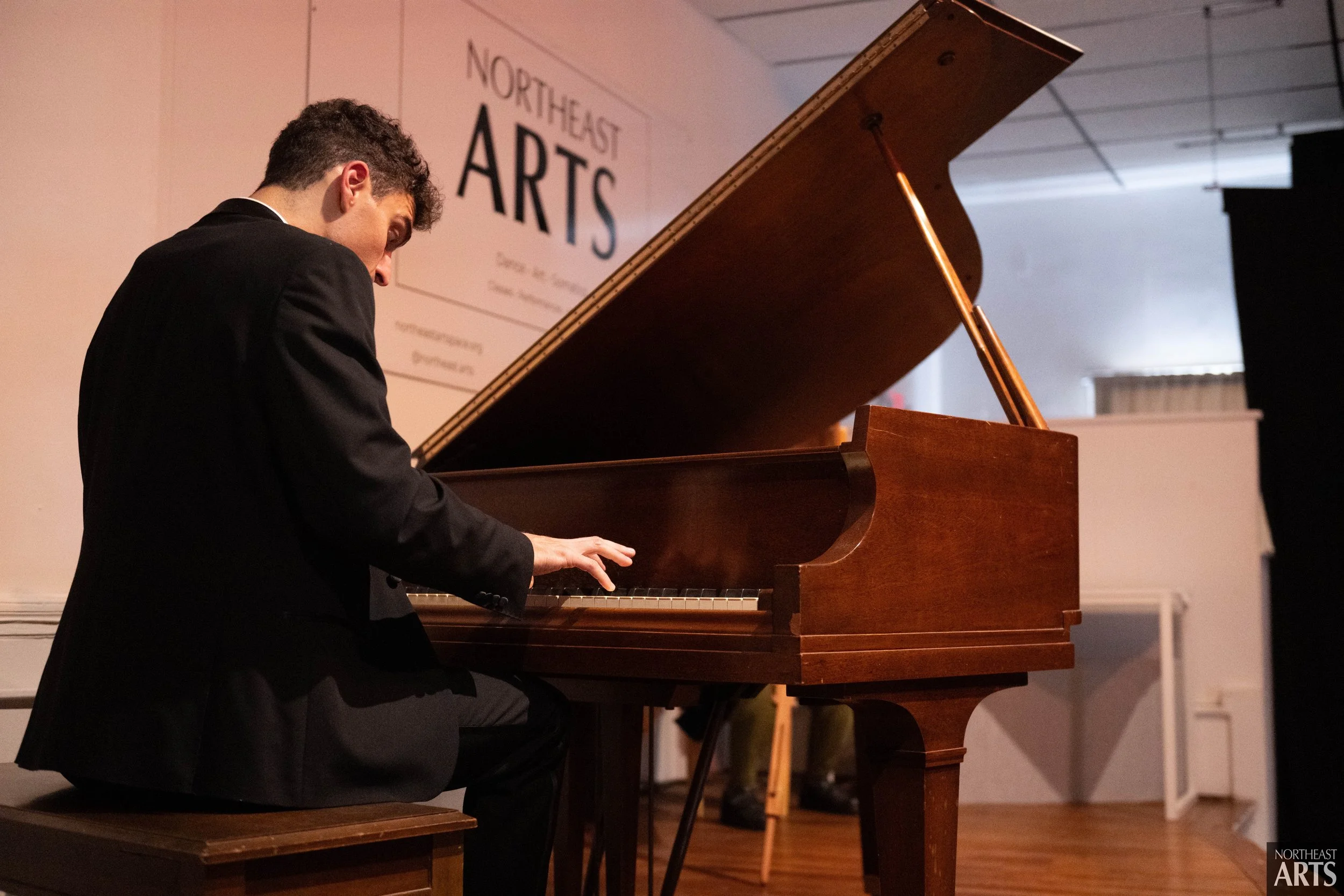
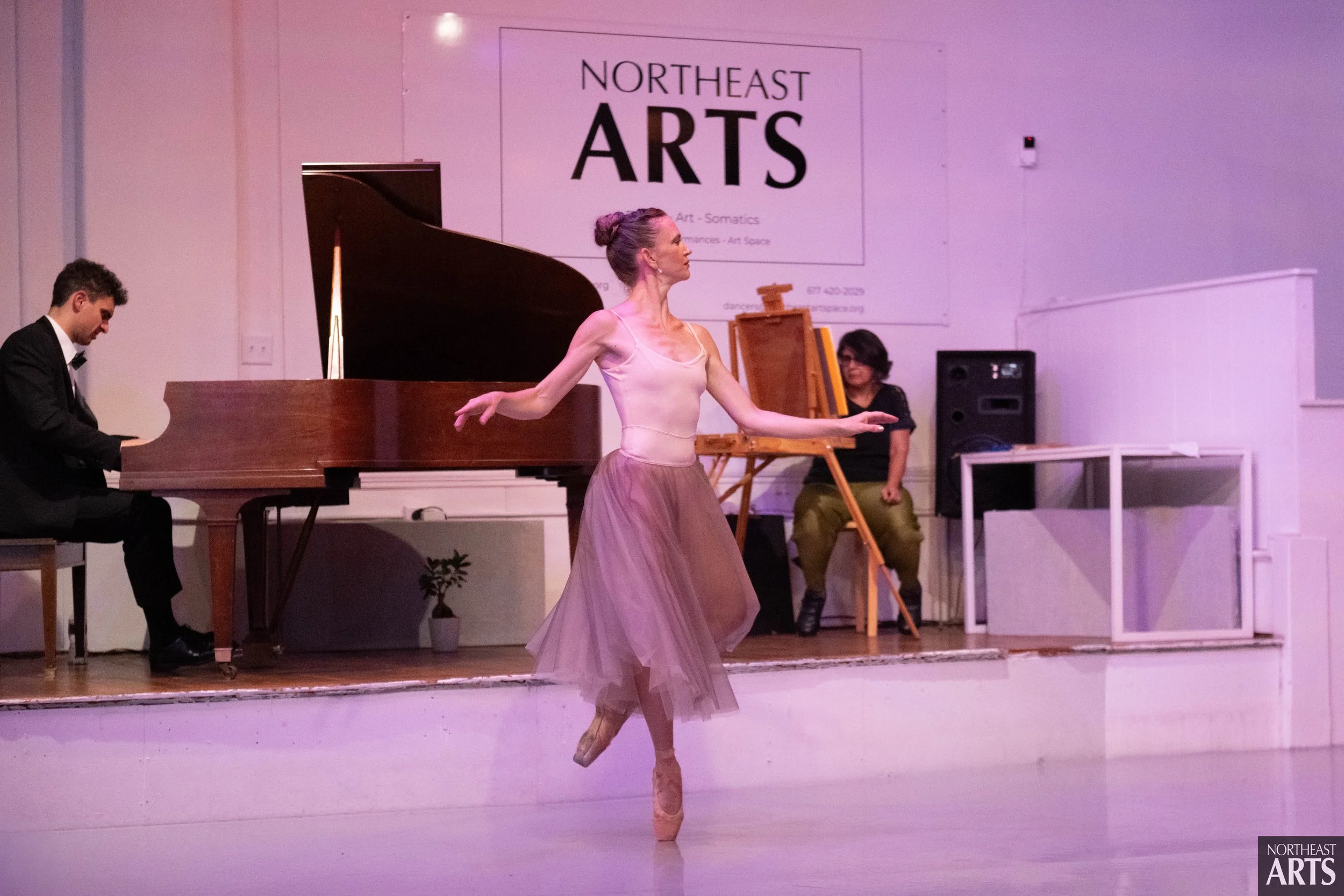
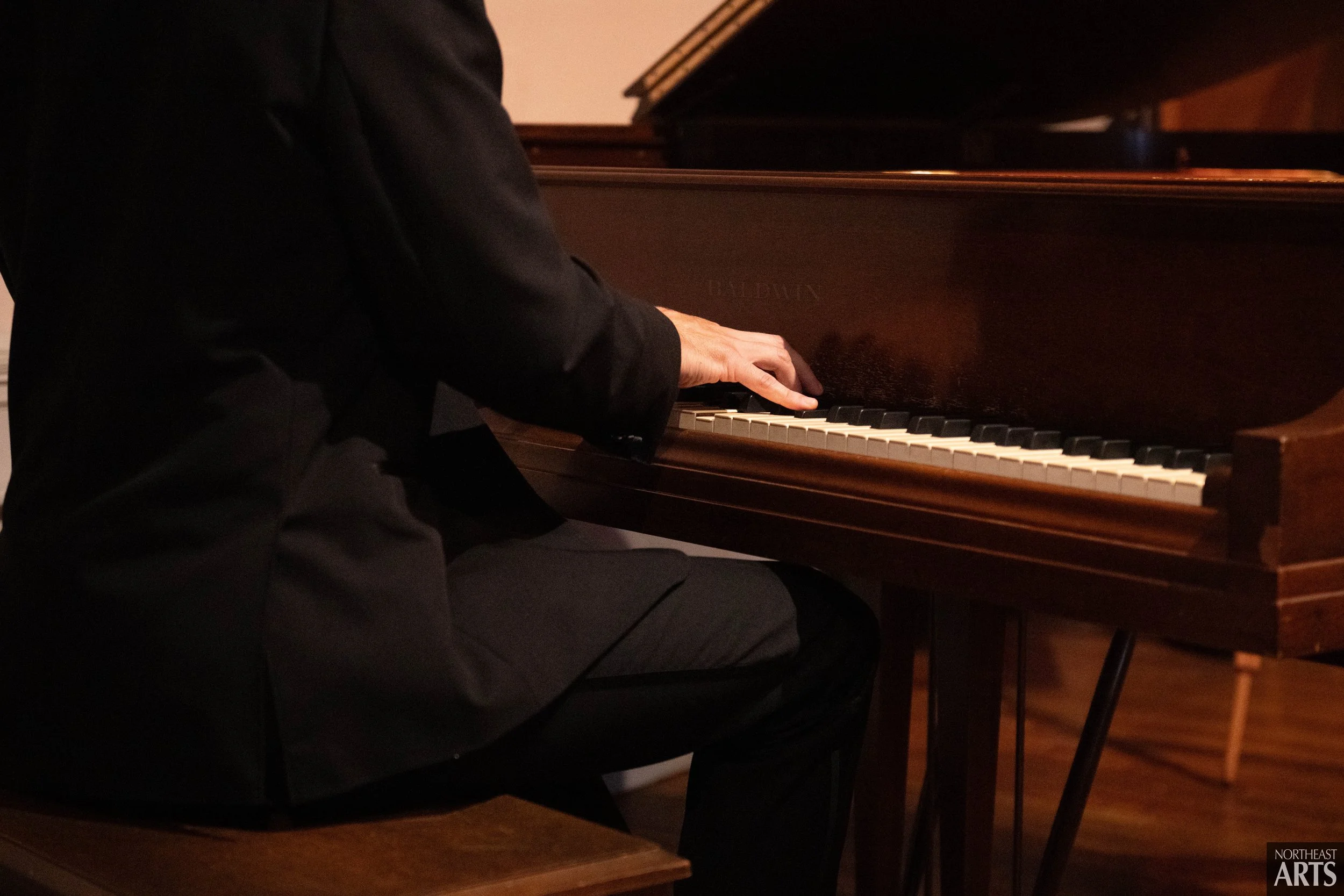
Pianist: Aléxandros Kyriakopoulos
The Impromptus were part of the broader Romantic trend of composing short, self-contained piano pieces, a genre popularized in the 1820s. Schubert’s were composed during a particularly creative period in 1827, which included the Piano Trio No. 1, Piano Trio No. 2, the Impromptus, Op. 142, the Fantasy for violin and piano and some 30 other works. The Impromptus have since become a cornerstone of the piano repertoire.
Ludwig van Beethoven (1770–1827)
Piano Sonata No. 32 in C minor, Op. 111
I. Maestoso – Allegro con brio ed appassionato
Pianist: Aléxandros Kyriakopoulos
The Piano Sonata No. 32 in C minor, Op. 111, is the last of Ludwig van Beethoven's piano sonatas. The work was written between 1821 and 1822, and was dedicated to Beethoven's friend, pupil, and patron, Archduke Rudolf. The sonata consists of two contrasting movements. The first, played tonight, is relatively brief, stormy in expression, and notable for its passages in fugal texture. The work as a whole entered the repertoire of leading pianists only in the second half of the 19th century. Technically demanding and visionary in expression, it is one of the most admired of all Beethoven's works.
“Spira”
Frédéric Chopin (1810–1849)
Scherzo No. 2 in B-flat minor, Op. 31
Pianist: Aléxandros Kyriakopoulos
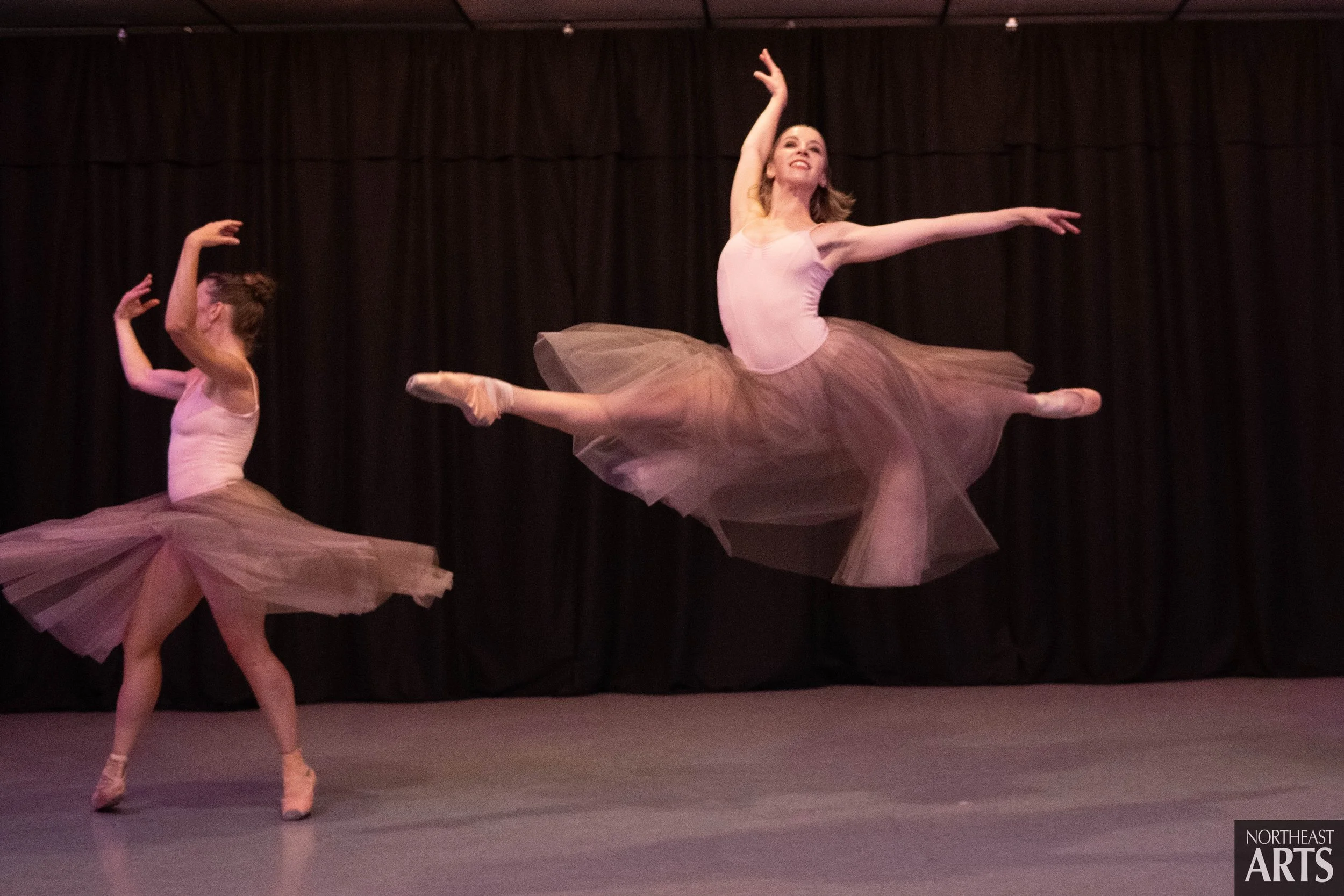
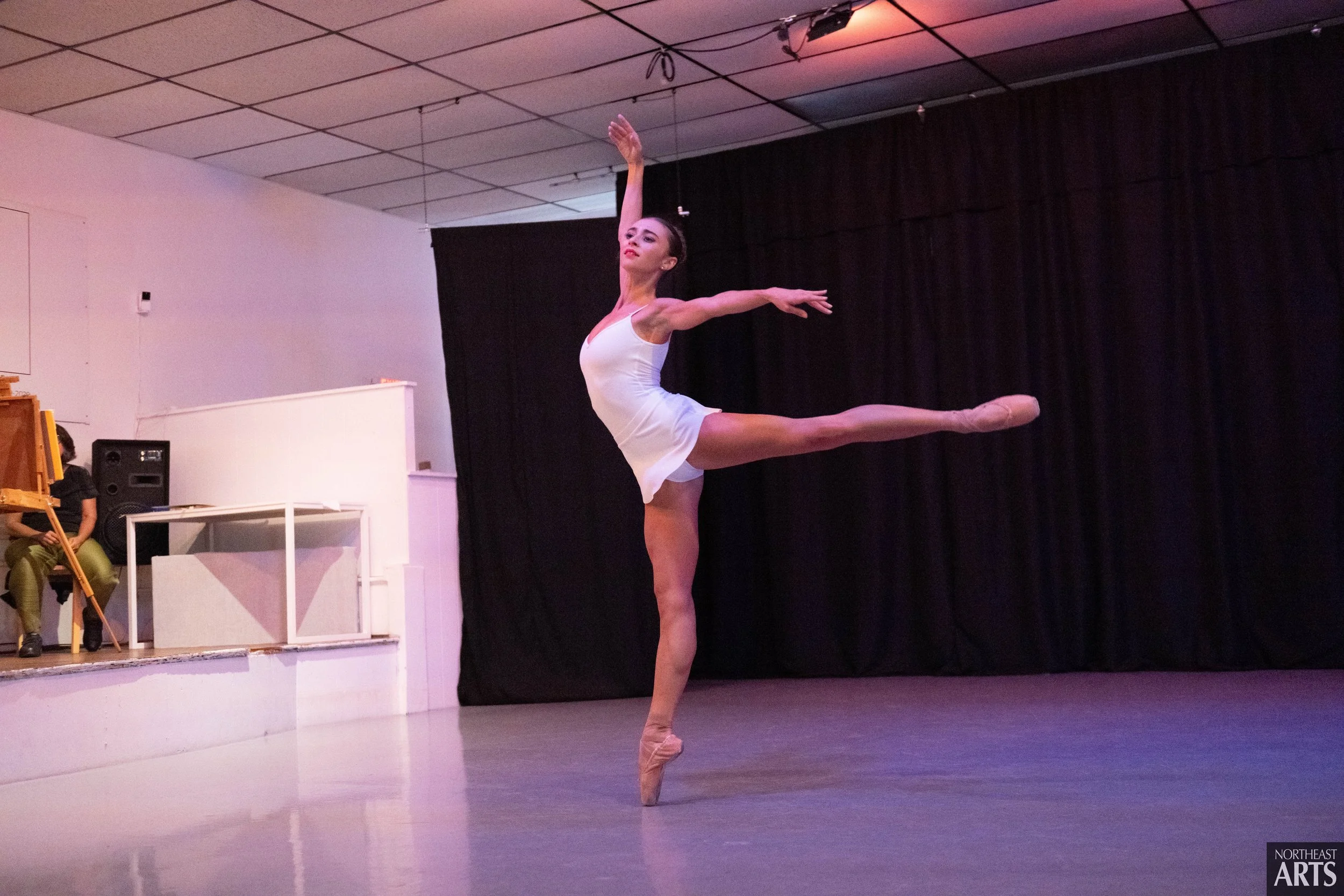
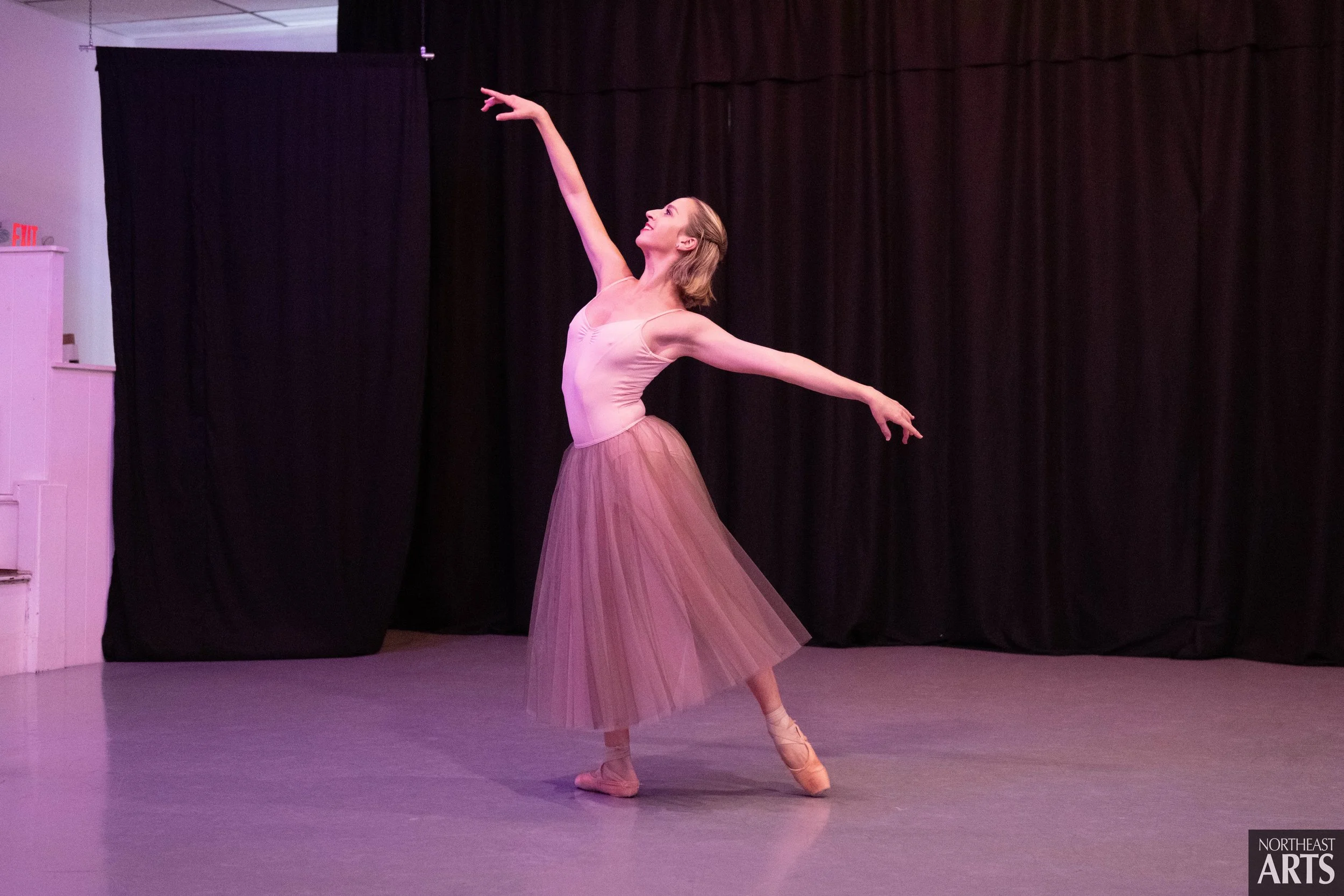
Choreography: Heather Nichols
Dancers: Juliet Brown, Kendra Frank, AJ Maio, Deanna Pearson, Avery Saulnier de Reyes
The Scherzo No. 2 in B♭ minor, Op. 31 was composed and published between 1835 and 1837. The B-flat-minor Scherzo bears the full imprint of the composer’s unique creative qualities. It is big and brawny, filled with magical harmonic coloration and huge pianistic flair. The modulations are heady, the filigree and the passage work dazzling, and the intensity gripping, the latter particularly as Chopin sets the final pages ablaze with an unbridled passion. In the present piece, even the very opening gesture informs us that a drama is about to unfold.
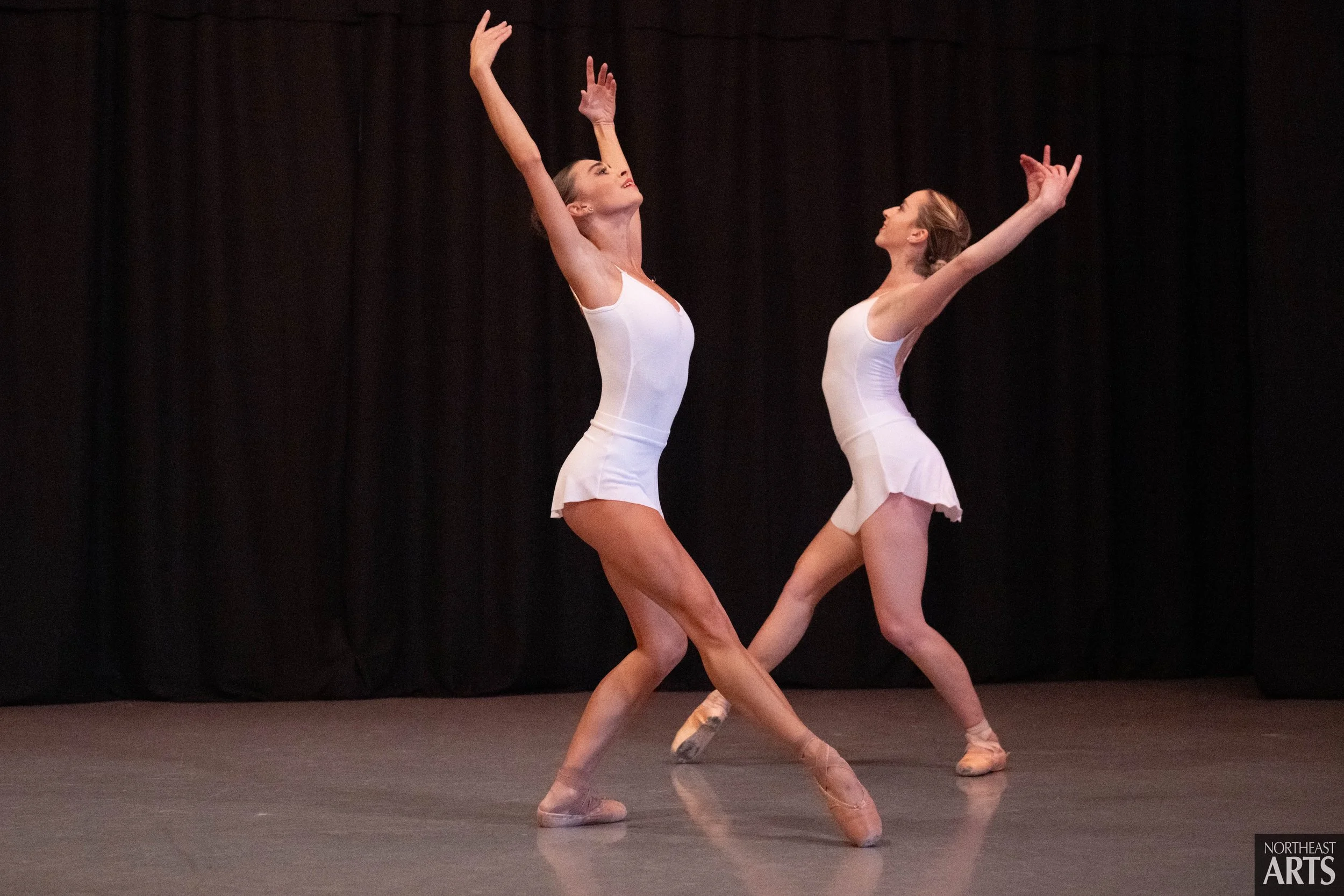
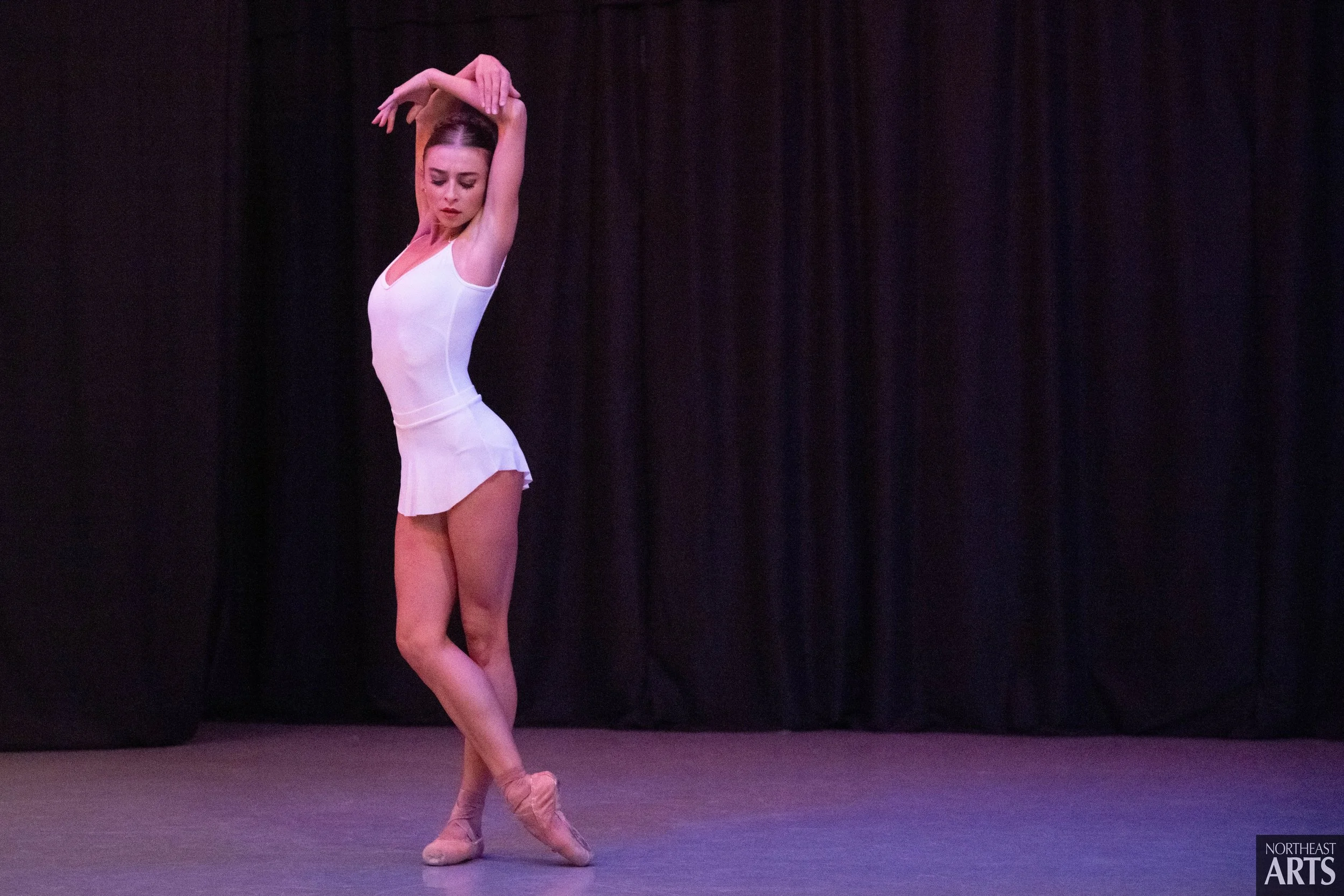
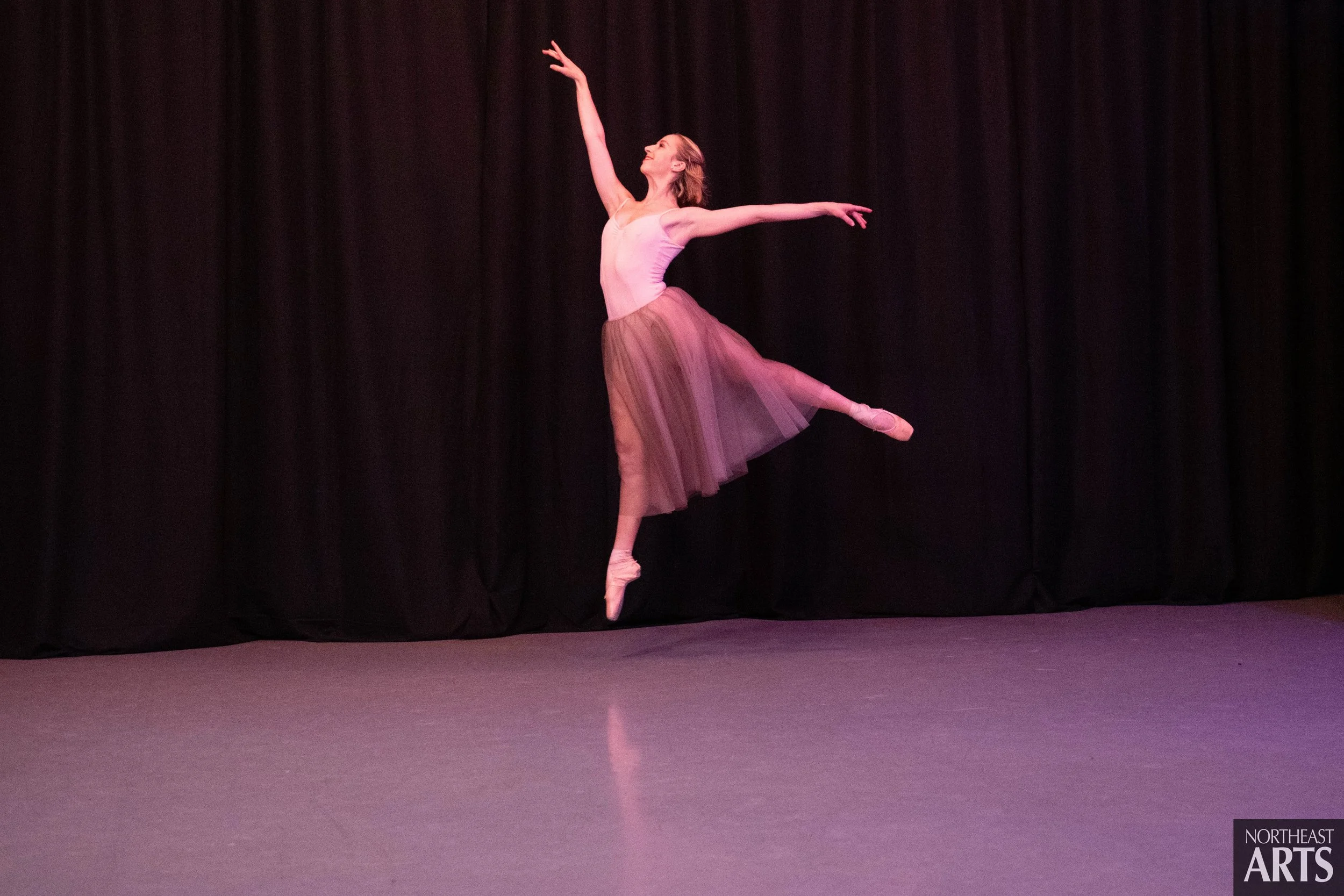
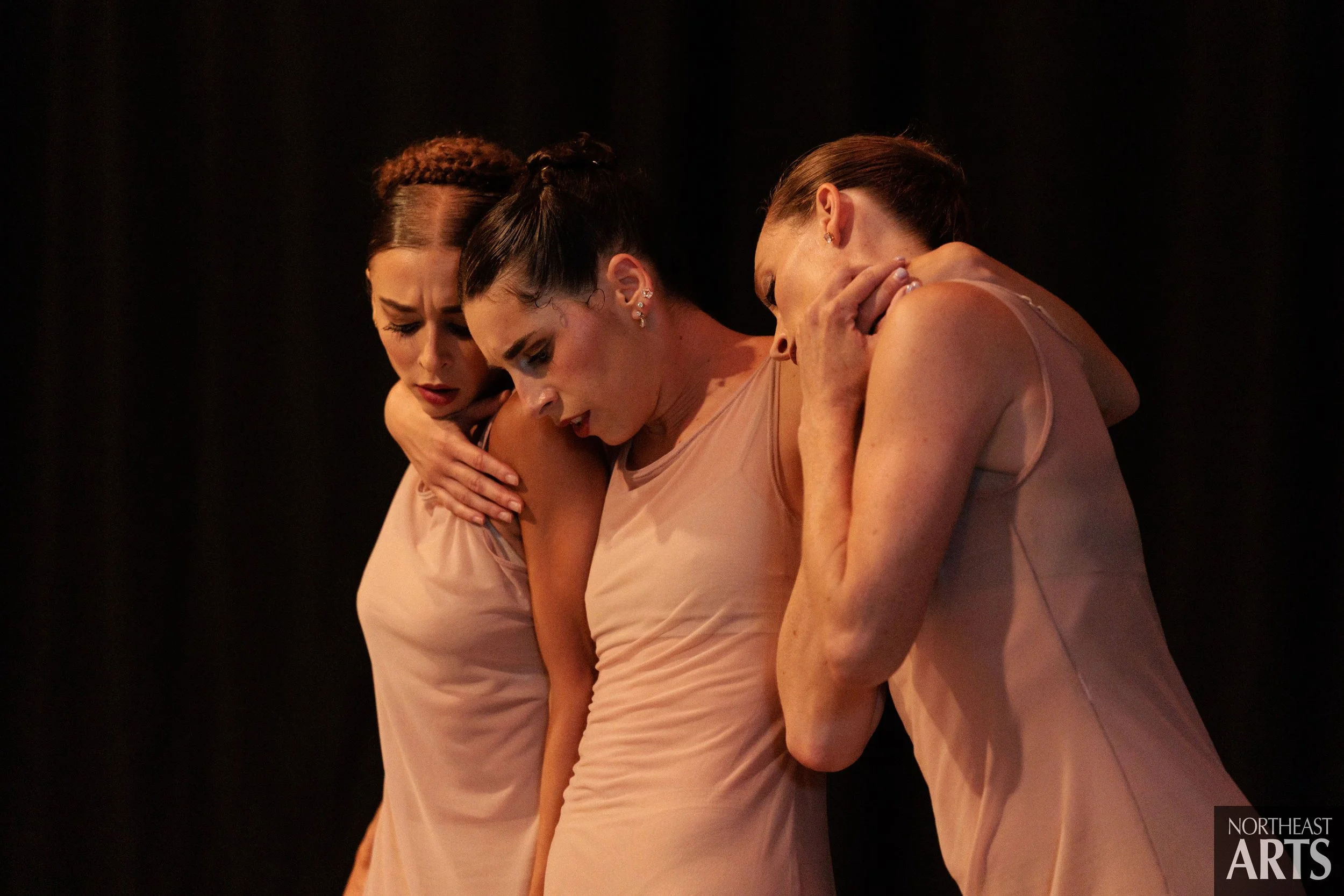
Heather Nichols has taken on this big, bold piece for Boston based freelance dancers as well as guest artist AJ Maio (courtesy of Ballet RI) with her signature style of tension and release, mixed with technically difficult neo-classical ballet sequences, masterful pas de deux and expressive port de bras. The piece is not narrative, but Heather’s use of space, timing and groupings create tension and interaction throughout and are a jumping off point for the audience to invent their own narrative.
Brief Intermission
Part Two
“Unresolved”
Frédéric Chopin (1810–1849)
Nocturne in C-sharp minor, Op. posth.
Pianist: Aléxandros Kyriakopoulos
Choreography: Gianni Di Marco
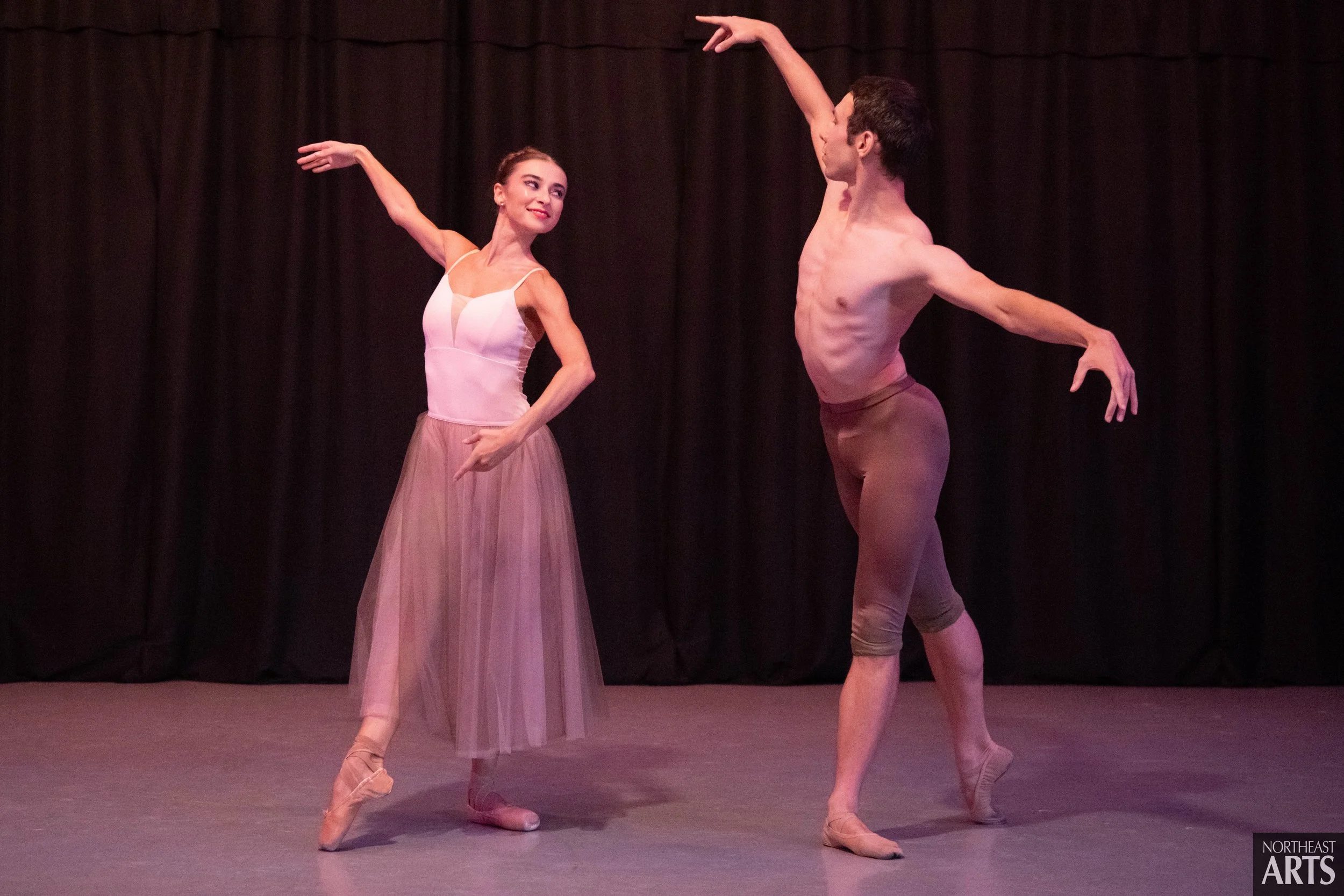
Dancers: Juliet Brown and Deanna Pearson
Frédéric Chopin’s piano nocturnes offer a rich array of depth and emotion for both the pianist and listener. Written between 1827 and 1846, they consist of 21 short pieces, often considered to be among the finest short pieces in this style ever written for the instrument. The nocturne usually has a dreamy and intimate character, suggesting night and moonlight and reflecting the associated lyrical expressions. This Nocturne was composed in 1830 for Chopin’s older sister, Ludwika and is sometimes referred to as the ‘Reminiscence’ Nocturne.
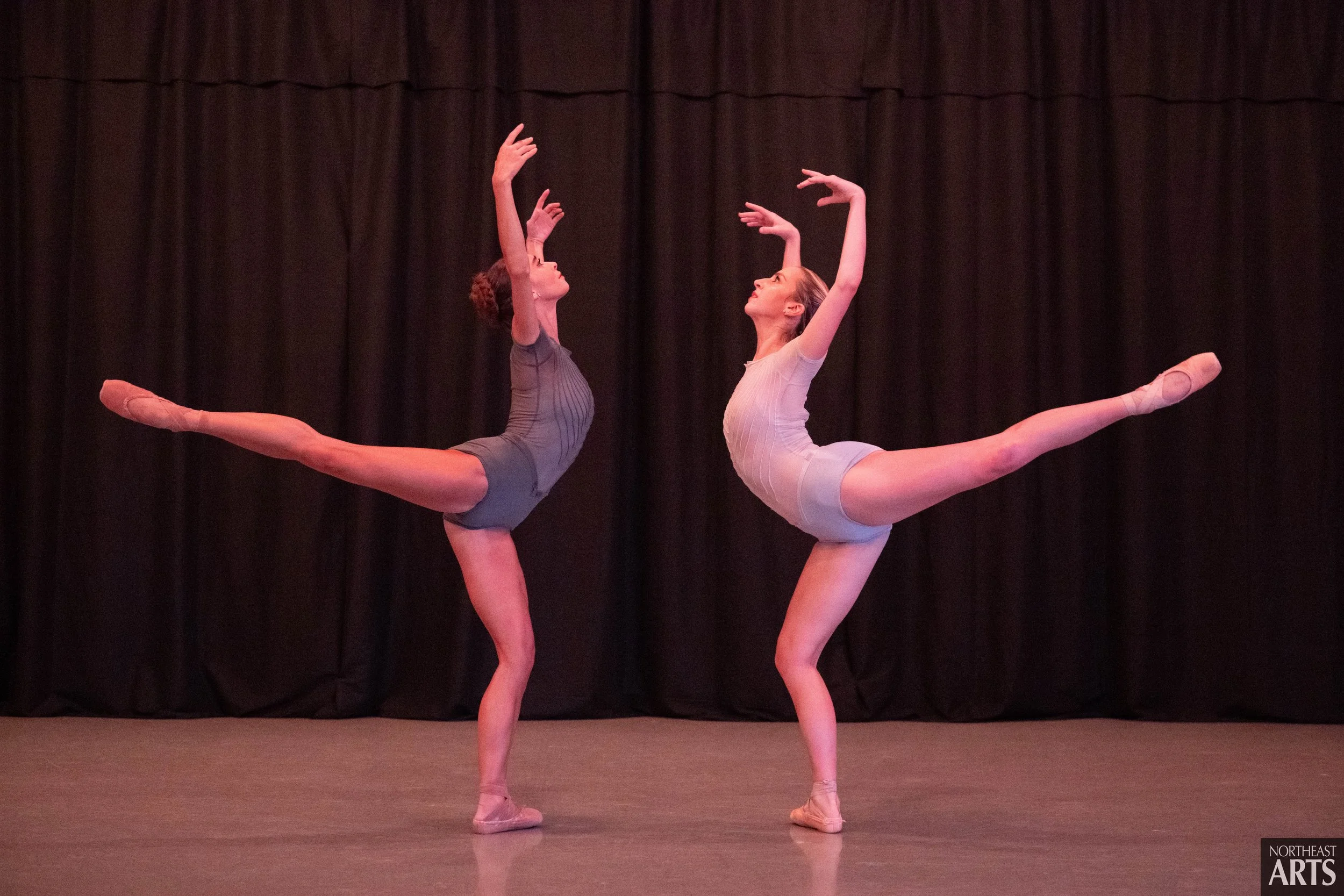
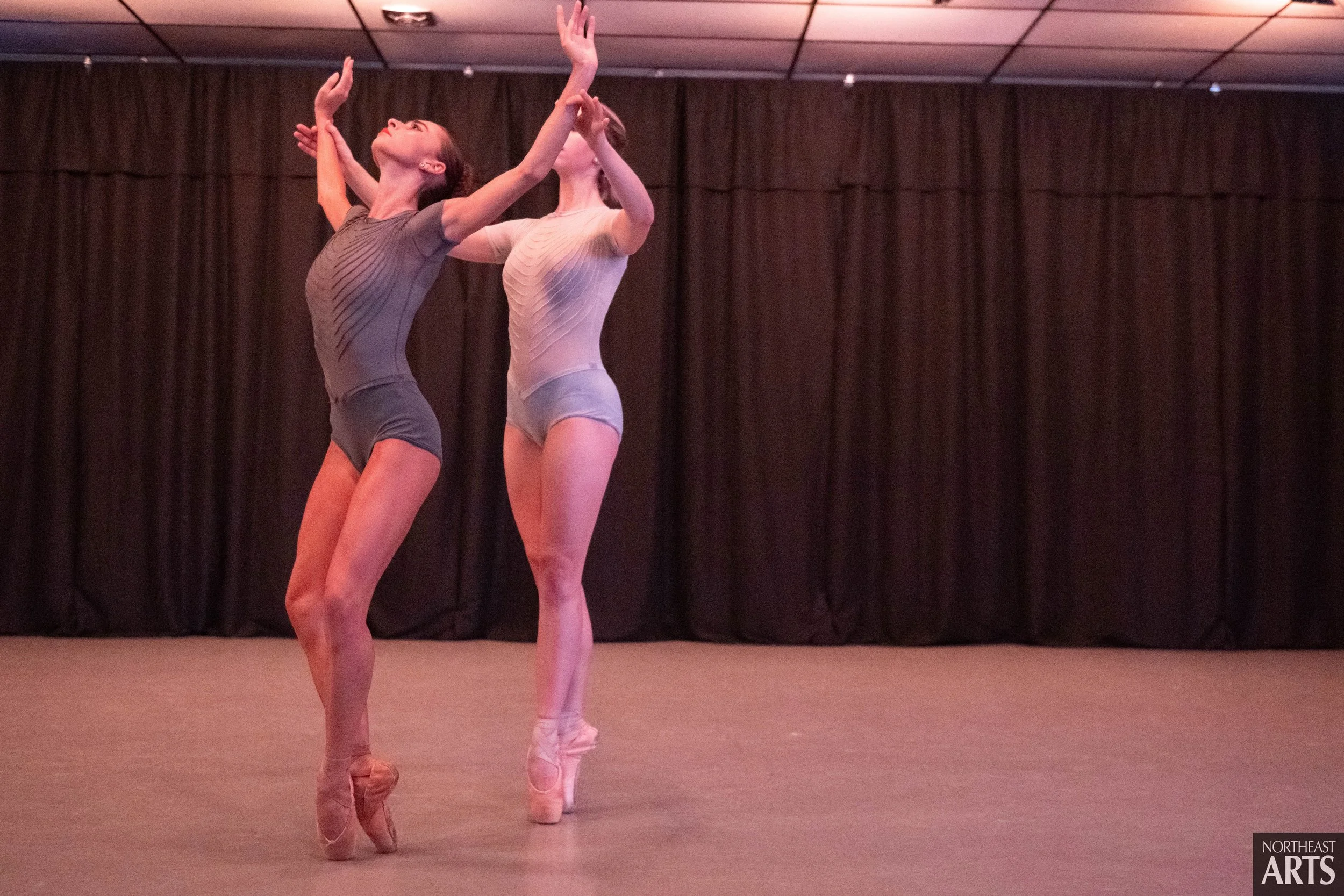
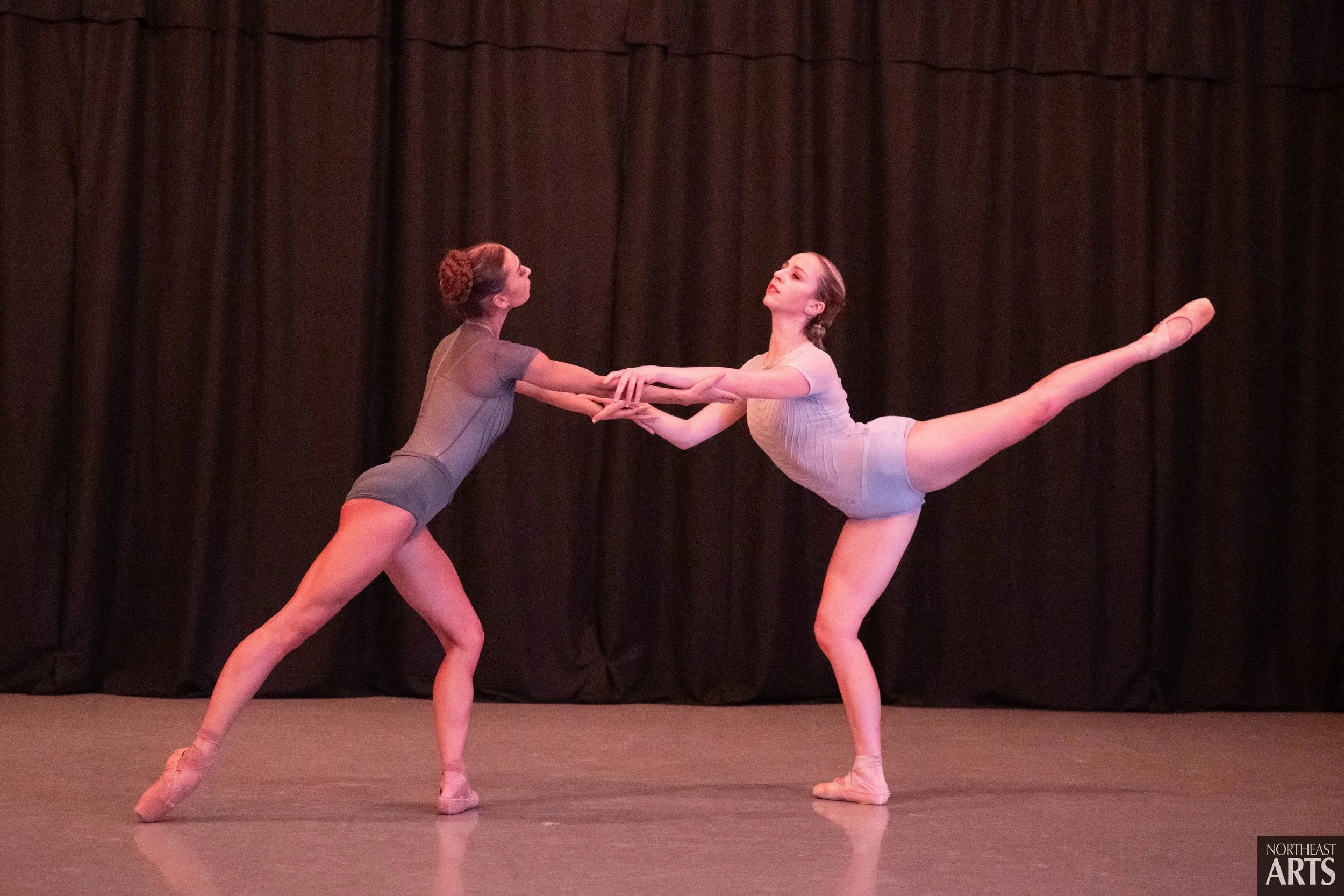
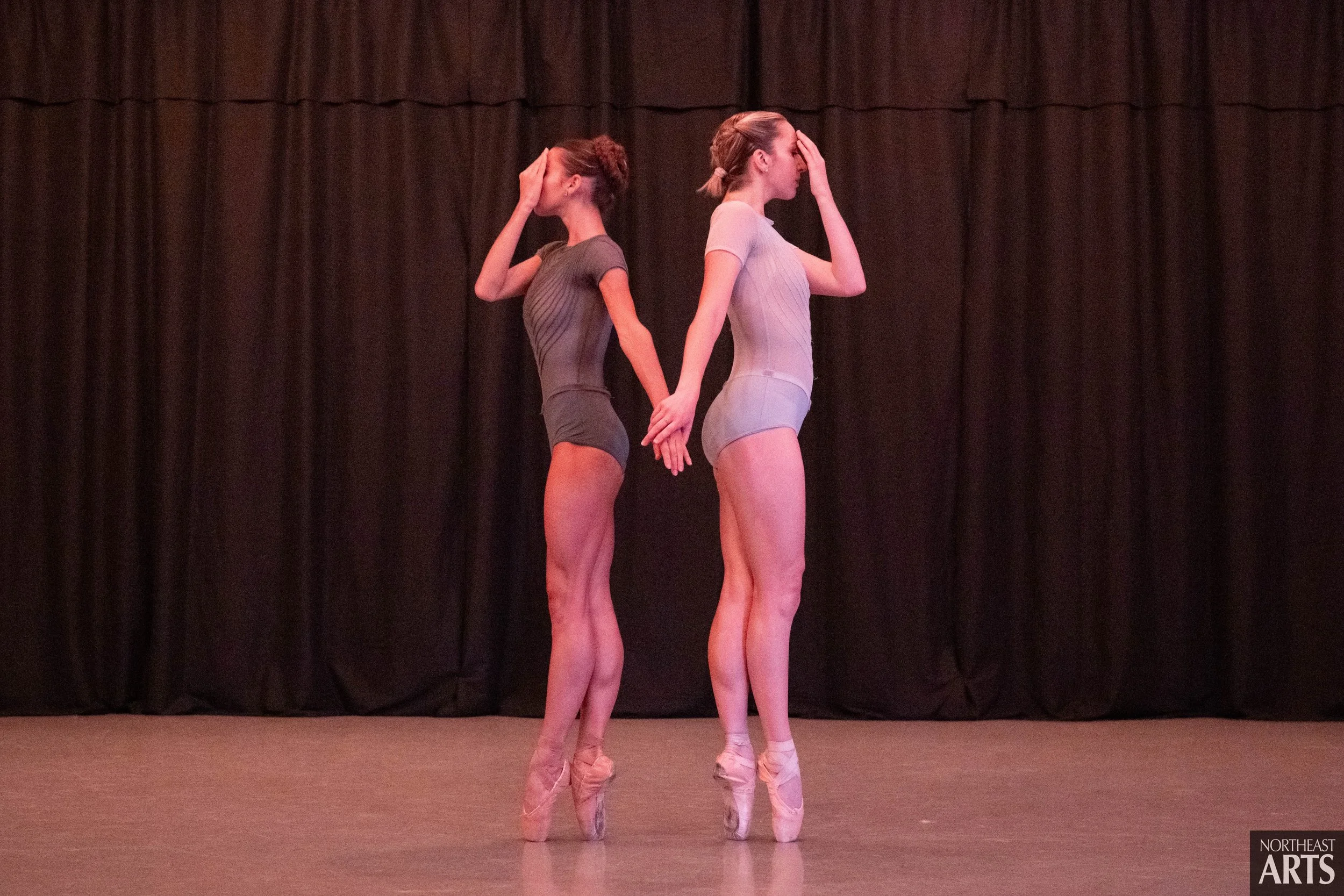
Gianni’s choreography adds a layer of conflict to the dreaminess of the music, juxtaposing two personalities in a series of gestural interactions which are at times conflicting and at times peaceful.
Franz Liszt (1811–1886)
Sonetto 123 del Petrarca, S. 161, No. 6
Sonetto 104 del Petrarca, S. 161, No. 5
Pianist: Aléxandros Kyriakopoulos
Originally conceived as songs for piano and high tenor voice, Liszt later recast them as solo piano works. His extreme sensitivity to Italian poet Petrarch’s original text, on which the music is based, allows him to beautifully capture the atmosphere and sentiment of Petrarch’s words, though they do not take their cues directly from the text. Rather, they reflect Liszt’s own response to the poetry.
READ THE SONNETS
Sonetto 123 del Petrarca - I' vidi in terra angelici costumi
“polonaise à Quatre”
Frédéric Chopin (1810–1849)
Polonaise in A-flat major, Op. 53, “Heroic”
Pianist: Aléxandros Kyriakopoulos
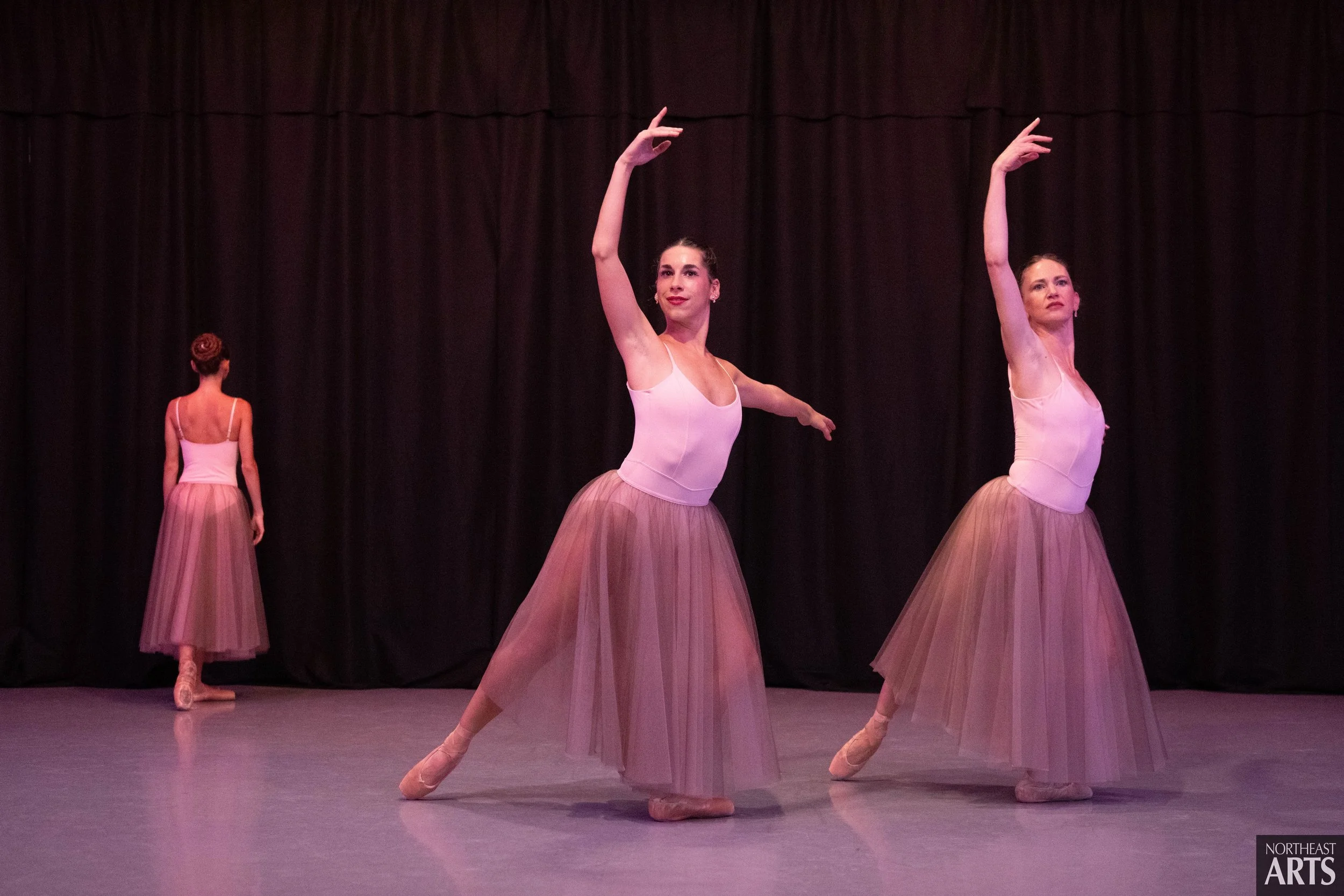
Choreography: Gianni Di Marco
Dancers: Juliet Brown, Kendra Frank, Deanna Pearson, Avery Saulnier de Reyes
Chopin’s Polonaise No. 6 in A-flat major, Op. 53, "Heroic," is a masterpiece that embodies the strength and grandeur of Chopin's music. This composition is both challenging and exhilarating, showcasing the virtuosic skills of the pianist. Gianni’s remarkably expressive, vivid and at times tongue-in-cheek choreography, weaves together continual pattern changes and technically challenging steps. Combined with live music and drawing, Heroic Polonaise is a joyous close Northeast Arts’ program .
House Manager: Evelyn Reyes
Stage Manager: Eleanor Reyes
Lighting Installation: Bill Shamlian
Lighting Design: Eleanor Reyes
Tech: Eleanor Reyes
Costuming: Gianni Di Marco, Heather Nichols, Ballet Tutu Romance, Bloch Boston, AJ Maio
Special Thanks - Bloch Boston, Kevin Nason, Bonny Saulnier, Boris Richir, Jane Bieber, Ken Pierce, Jaime Reyes, Juliet Brown, Gianni Di Marco, Courtney Tern, Kai Iguchi, Evelyn Reyes, Forest Hills Convenience, Samia Companies, Norie Nishizawa, Mychal Bryan, Louise Hautefuiellle, Janis Walker, Brooke Trisolini, Sophie Gem, Mary Thompson, Kylah Clay, Sophie Gem, volunteers
Photos: Header by Nicole Marie Photography, gallery by Brooke Trisolini